

Sliding Wardrobe 4 Doors
Select an image to inspect the details.
Sliding Wardrobe 4 Doors
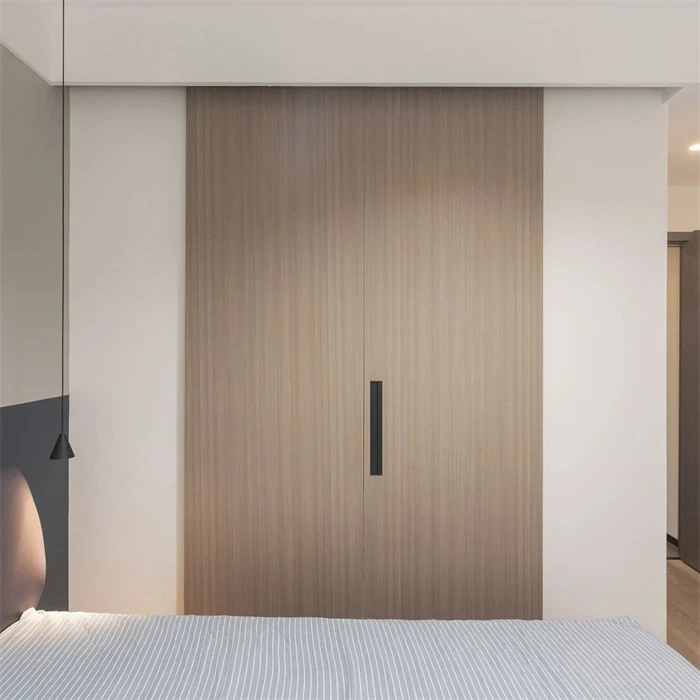
Wood-grain wardrobe doors with a dark recessed handle.
PERSONALISE THIS DESIGN
Open an option to browse finishes, fittings and reference images.
Choose finishes and fittings for your enquiry.
Wardrobe doors & finishes
Set the visible wardrobe finish.
Review the finish family first, then compare the compatible door profiles. Final colour and surface approvals should be made from current physical samples.
Colour and finish charts
ENF, FF, PVC and PET references from the wardrobe catalogue.


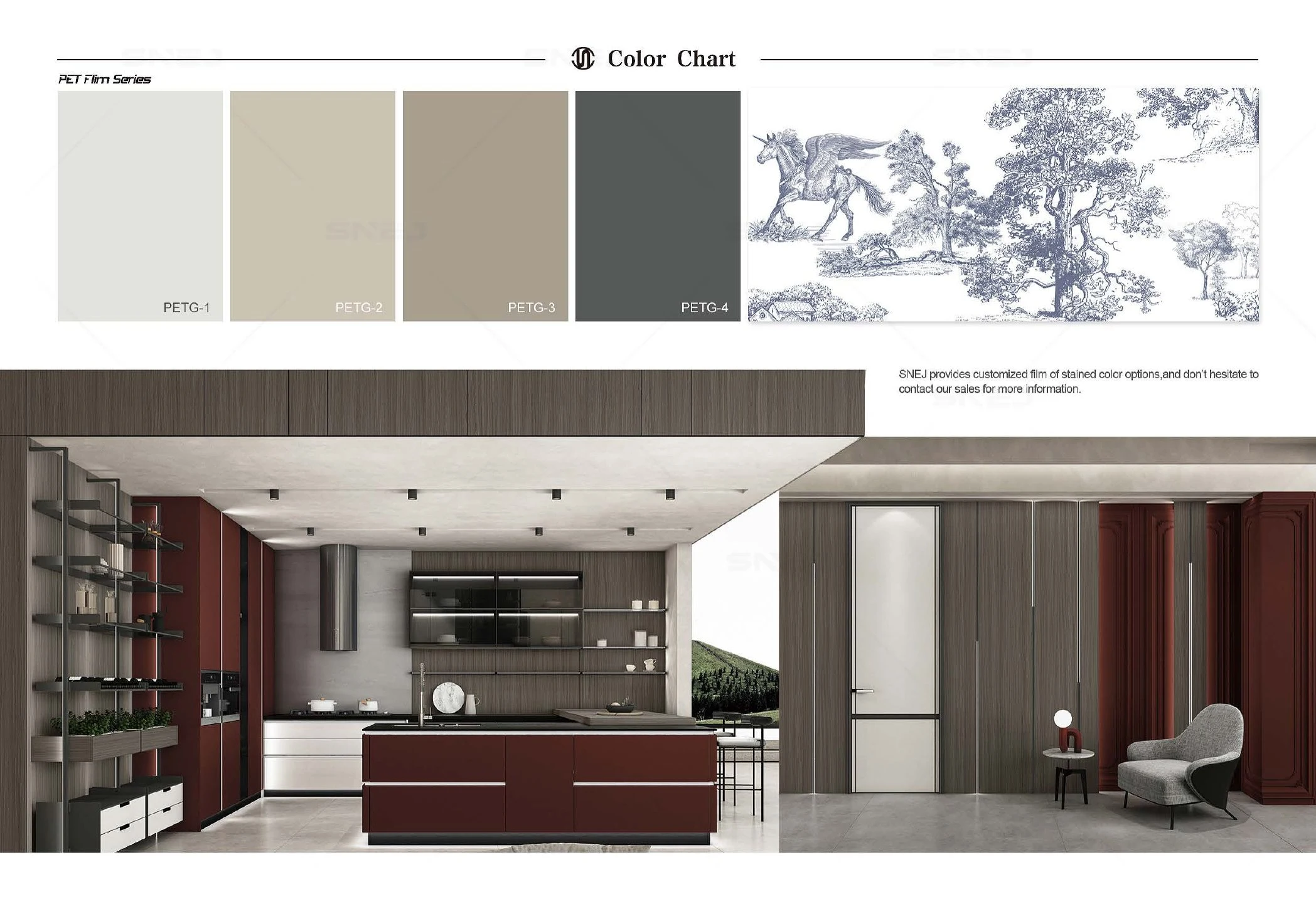
Door-style references
Use the CD model number when discussing the front profile.
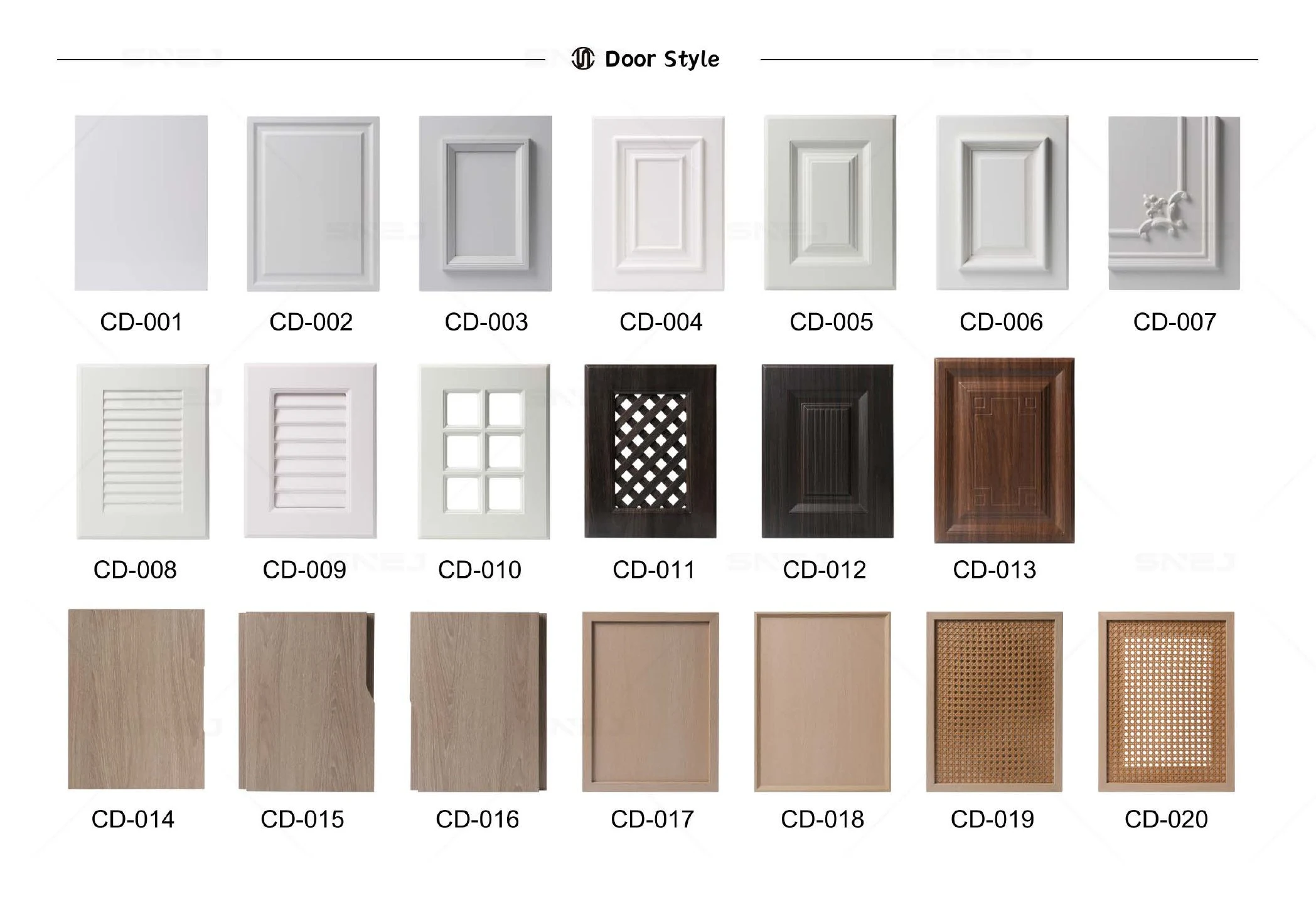

Wardrobe fronts define the visible rhythm of the room. This section brings door styles and finish charts together so profile, colour, grain, sheen and edge treatment can be reviewed as one specification.
- Door styles
- CD-001 to CD-041
- Finish families
- ENF, FF, PVC and PET
Confirm more than a colour code.
Door profile
Choose slab, framed, grooved, woven or display fronts in a proportion that suits the wardrobe elevation.
Surface character
Review colour, grain, texture and sheen together, then approve a current physical sample for production.
Edges and alignment
Confirm visible edges, grain direction, panel joints, handle positions and alignment across adjacent units.
Project checklist
- Preferred CD door-style references
- Finish family and shortlisted colour codes
- Hinged, sliding, glazed or open-front sections
- Handle, profile-handle or push-open direction
- Physical-sample approval before production
Can the final colour be approved from the screen?
No. Screen and catalogue colours are useful for shortlisting. Final approval should use a current physical sample because light, texture and production batches affect appearance.
Can different door styles be combined in one wardrobe?
Yes. Slab, framed, glazed and open sections can be coordinated when the elevation, materials and hardware are resolved as one design.
Can wardrobe finishes coordinate with kitchens and interior doors?
Yes. SNEJ can review the three product schedules together so colour families, wood grains and visible details relate across the interior.
Interior accessories
Organize the inside around daily use.
Select the storage task before the accessory. Each fitting is then checked against the approved cabinet dimensions and door movement.
Hanging and corner storage
Corner rails, rotating hangers, tie racks and shoe storage.
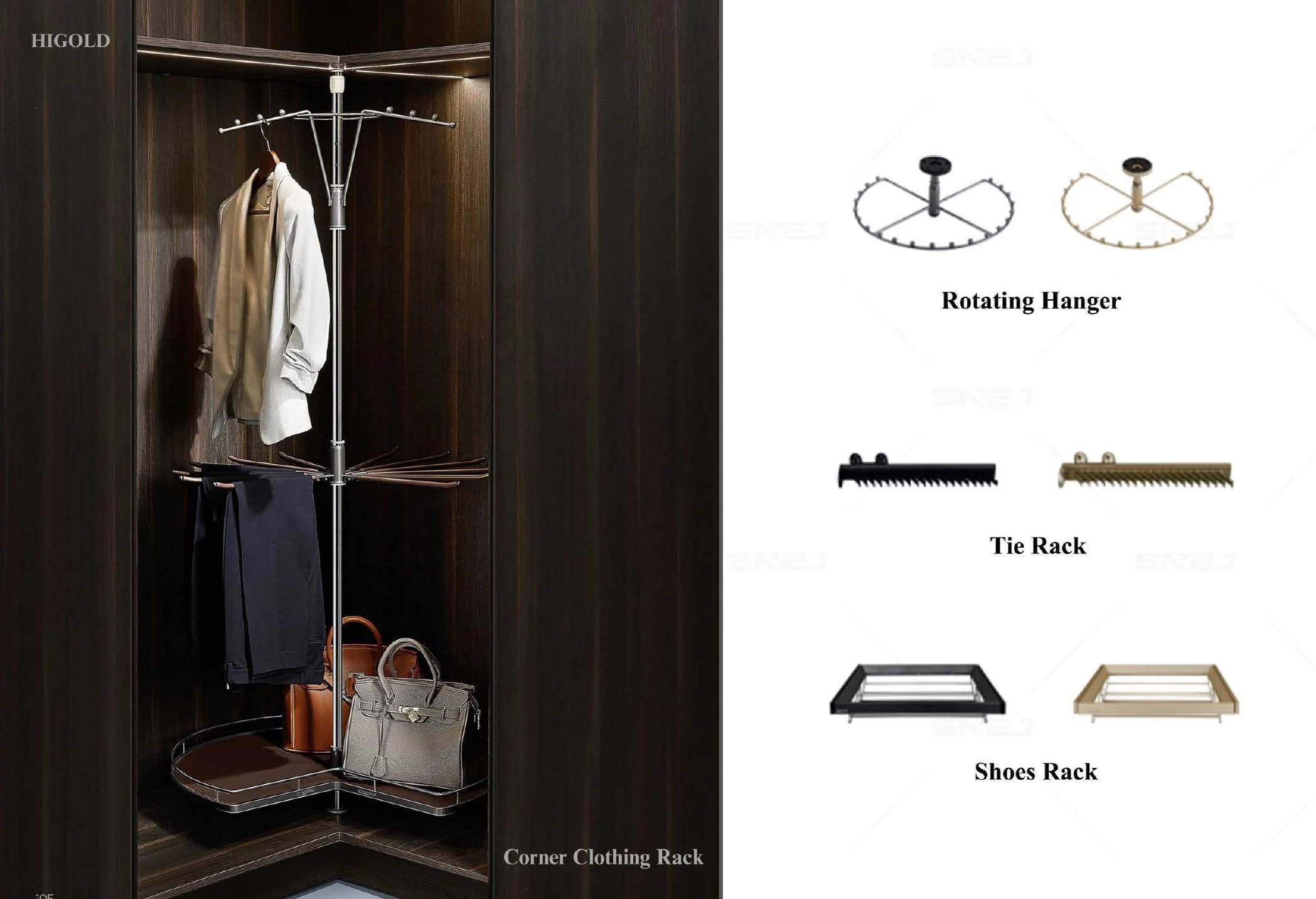
Drawer organizers and schedules
Storage boxes, trays, material details and reference dimensions.
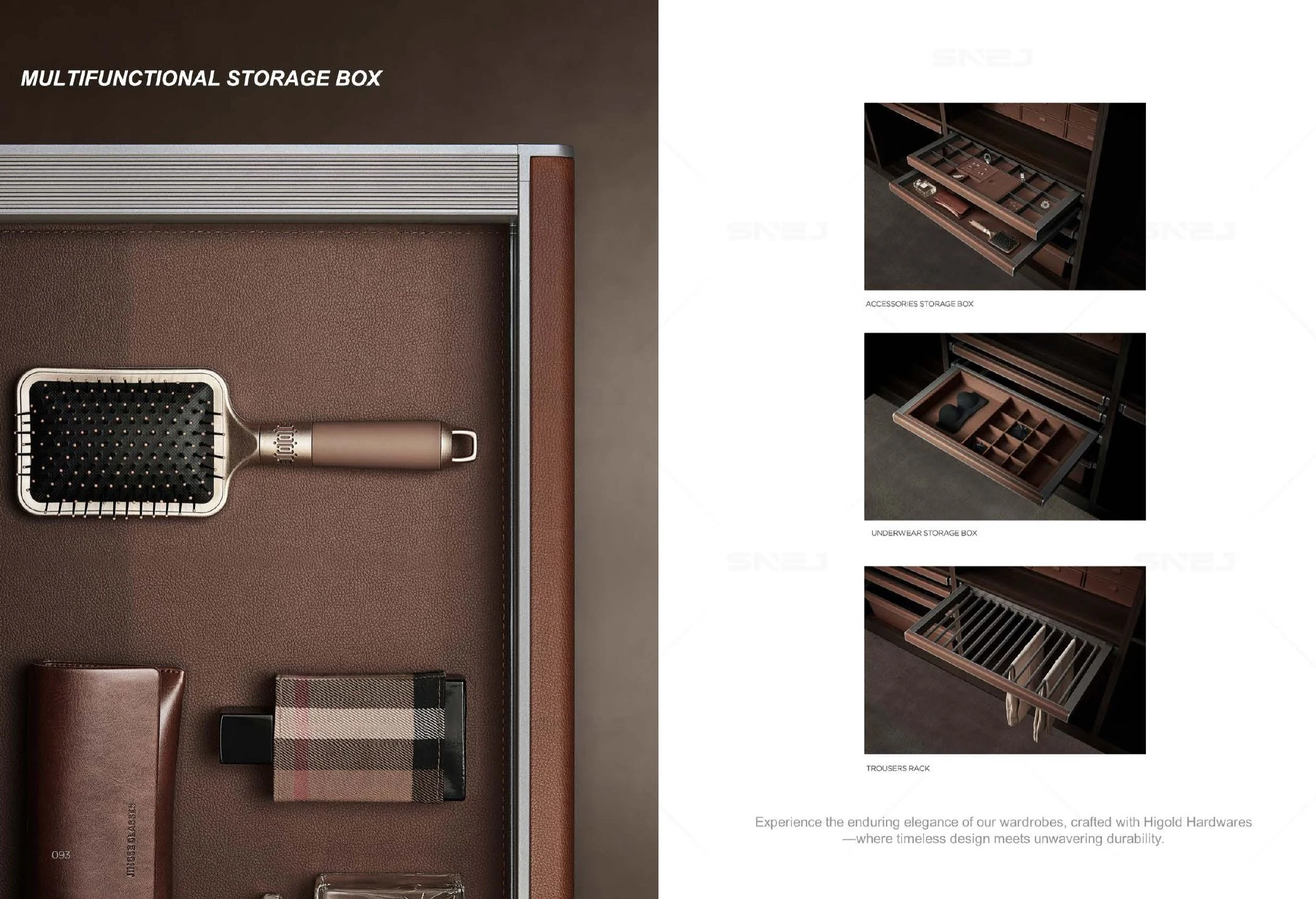

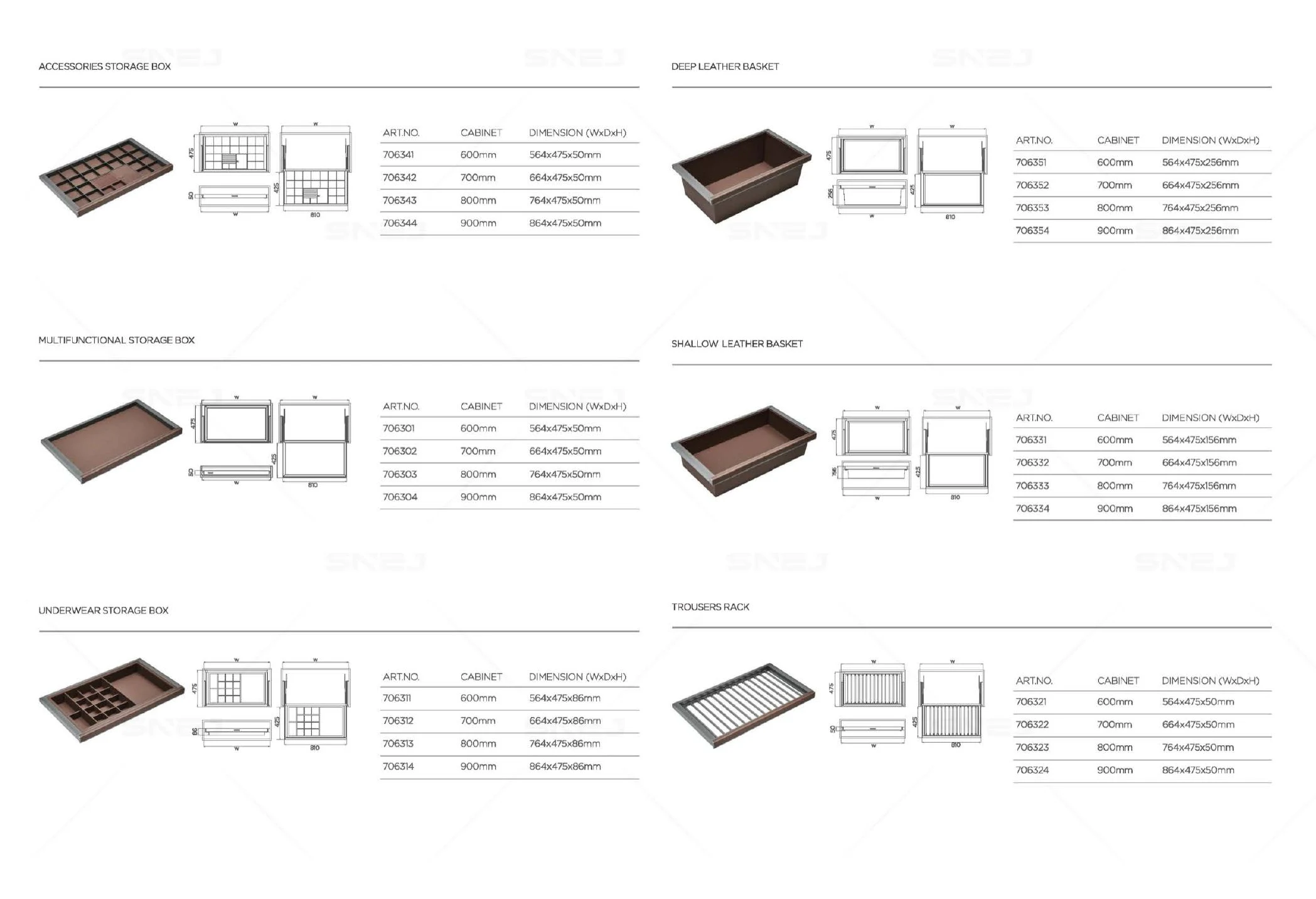
Internal accessories turn the approved wardrobe layout into practical daily storage. Each organizer must be checked against cabinet width, depth, door clearance and the items it is intended to hold.
- Storage
- Hanging, shoes, ties and jewelry
- Checks
- Width, depth and clearance
Check every fitting against the cabinet.
Storage task
Begin with what must be stored and how often it is used, then select the most direct organizer.
Cabinet compatibility
Check clear internal width, depth, mounting position, door movement and intended load before confirming each fitting. The interior layout determines where an accessory is useful.
Finish coordination
Coordinate metal, leather-look and timber finishes with the wardrobe interior and visible door hardware.
Project checklist
- Approved internal wardrobe layout and dimensions
- Accessory type and quantity for each wardrobe
- Drawer, door and hanging clearances
- Preferred metal and organizer finishes
- Final room-by-room accessory schedule
Should accessories be selected before the wardrobe layout?
Storage priorities can be discussed early, but final accessory selection follows the internal layout so widths, depths and clearances can be verified.
Are the catalogue dimensions final for every project?
They are reference dimensions. Compatibility must be checked against the selected fitting and the approved cabinet construction before ordering.
Can different rooms use different accessory packages?
Yes. Accessories can be scheduled by room, unit type or buyer package while the external wardrobe design remains coordinated.
Bring your room dimensions, storage requirements and preferred finishes. We will coordinate the wardrobes around your project.
More views of this design.
Sliding Wardrobe 4 Doors
Select an image to inspect the details.
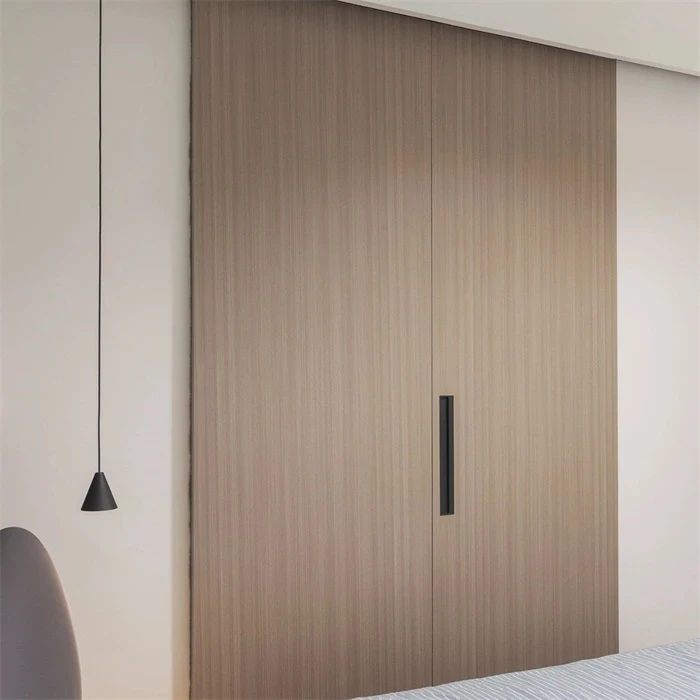
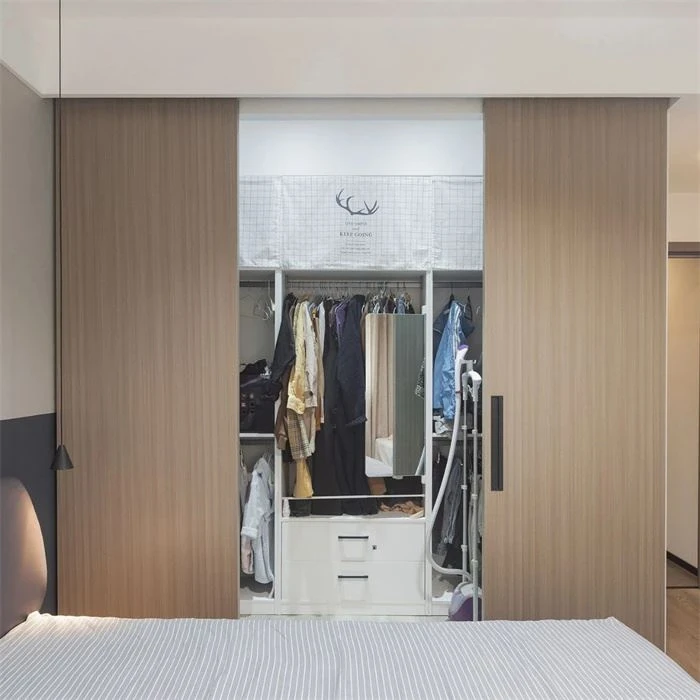
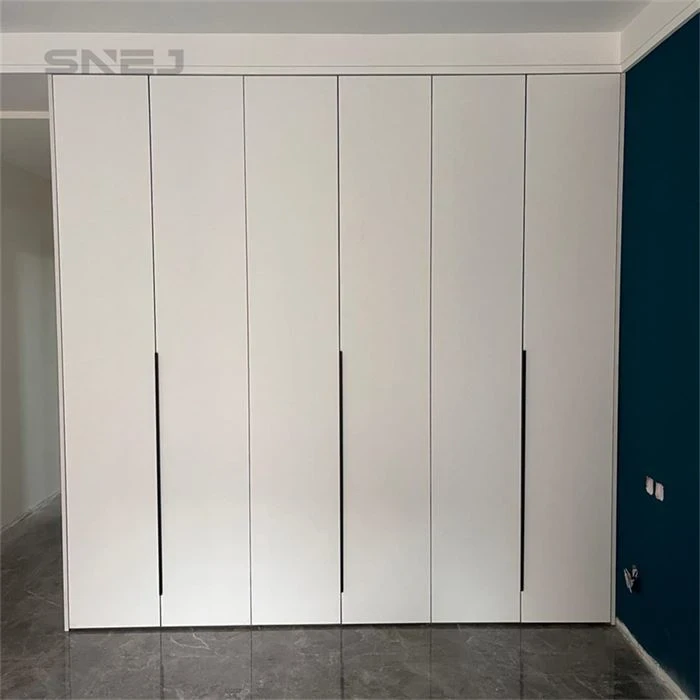
Sliding wardrobe 4 doors do not need to be opened outwards, saving bedroom space, especially suitable for small apartments. The four-door design can slide flexibly, making it easy to take clothes and improve efficiency. The sliding door design is simple and smooth, improving the overall texture of the space.
Our products are made of environmentally friendly panels, which are sturdy and durable, with strong load-bearing capacity and long service life. The metal frame is stable and durable, with excellent load-bearing performance. The surface is wear-resistant and scratch-resistant, easy to clean and maintain, and it will last forever.
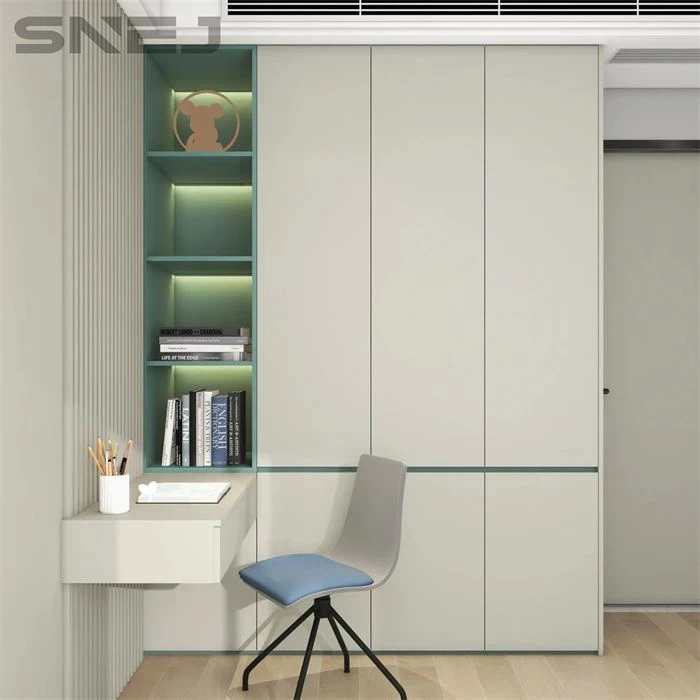
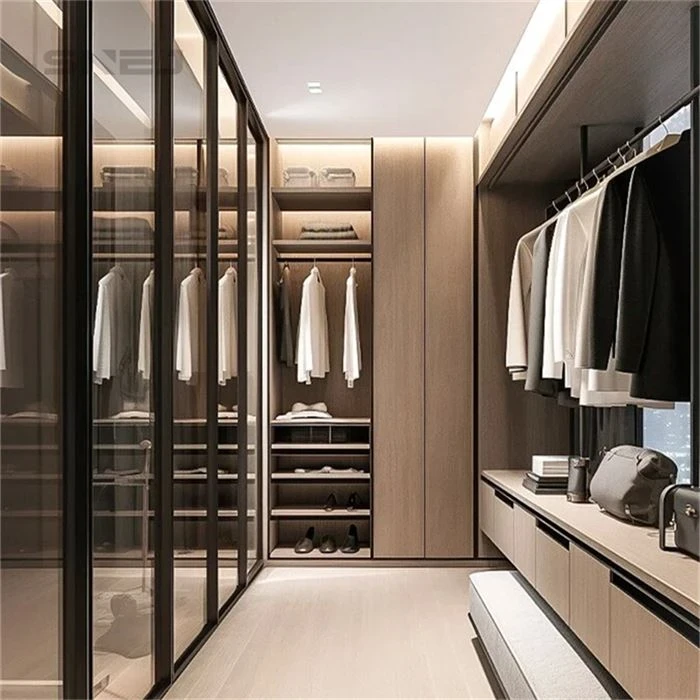
Sliding wardrobe 4 doors can be flexibly laid out to maximize storage. The wardrobe has a well-designed hanging area for hanging coats, shirts, dresses, etc., and the multi-layer stacking area is suitable for folding and storing T-shirts, sweaters, jeans, etc. In addition, there are multiple drawers designed to store small items such as underwear, socks, accessories, etc. The shoe and hat area can be designed as inclined shelves or hooks for convenient storage of shoes and hats.
The wardrobe design is simple and smooth, which improves the overall space texture. It can slide flexibly to facilitate access to clothes in different areas and improve efficiency. The sliding door design is effective in preventing dust and protecting your clothes from dust.
Design details
Select an image to inspect the details.
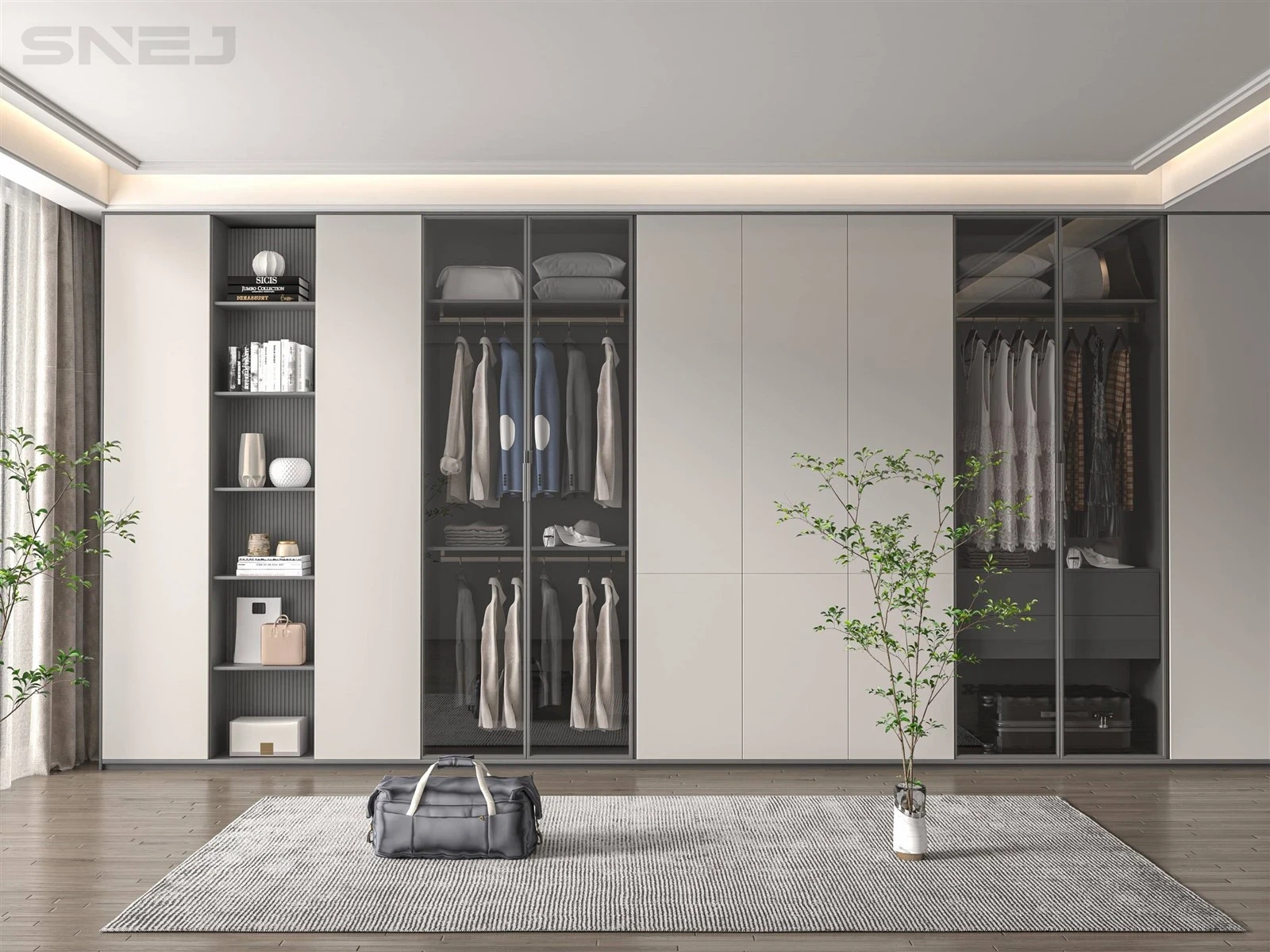
Details display
Select an image to inspect the details.
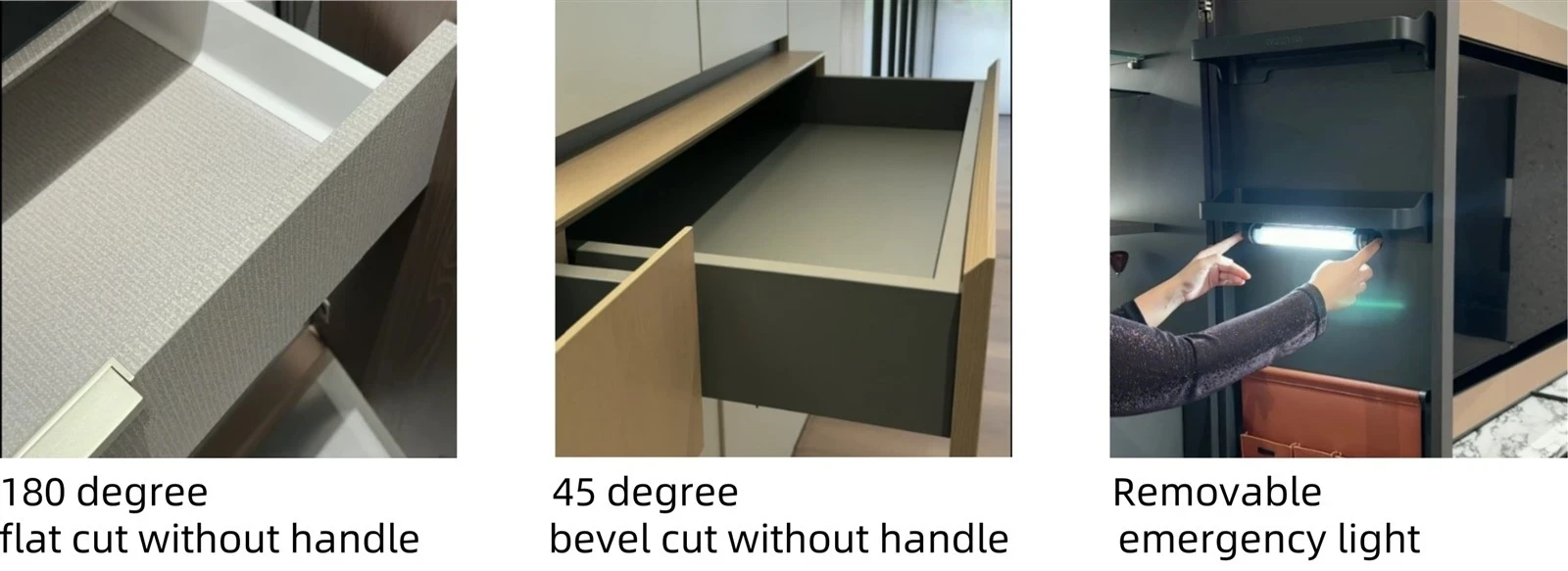
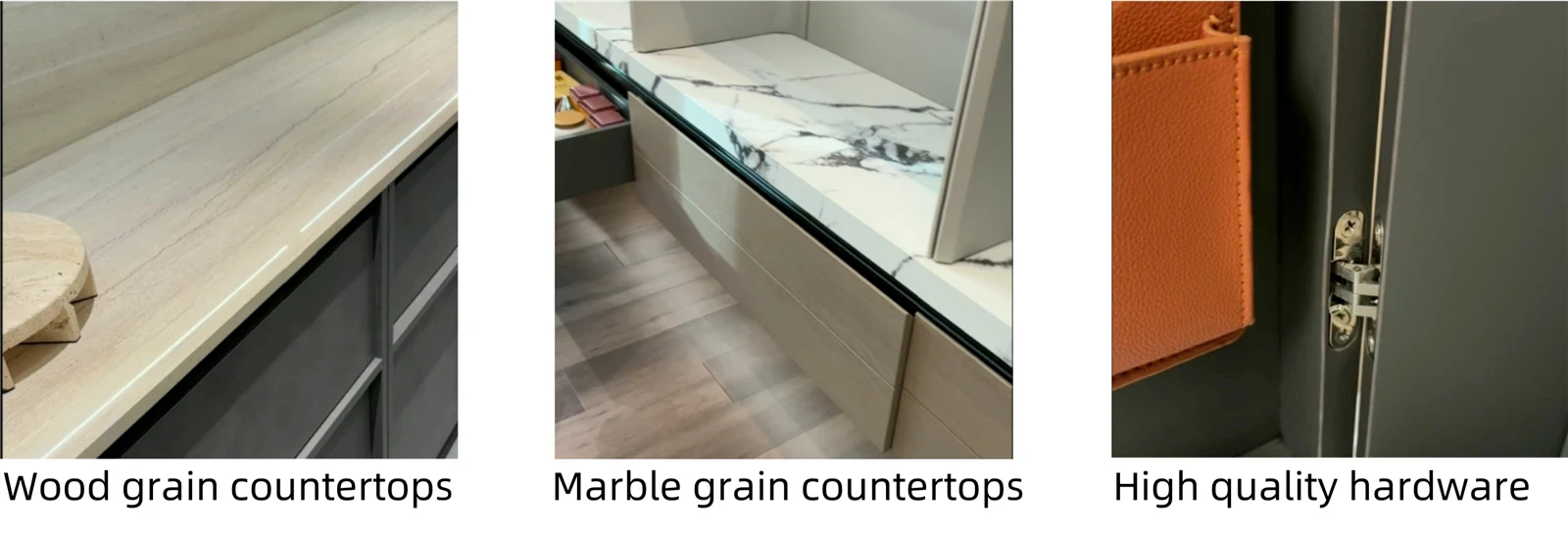
customized choices
Select an image to inspect the details.
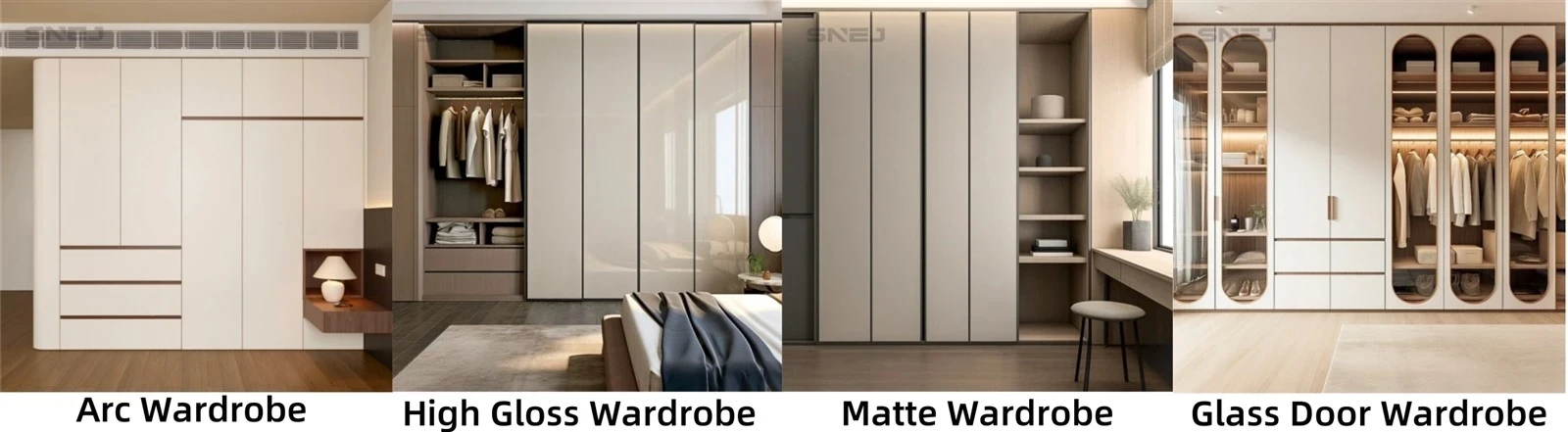
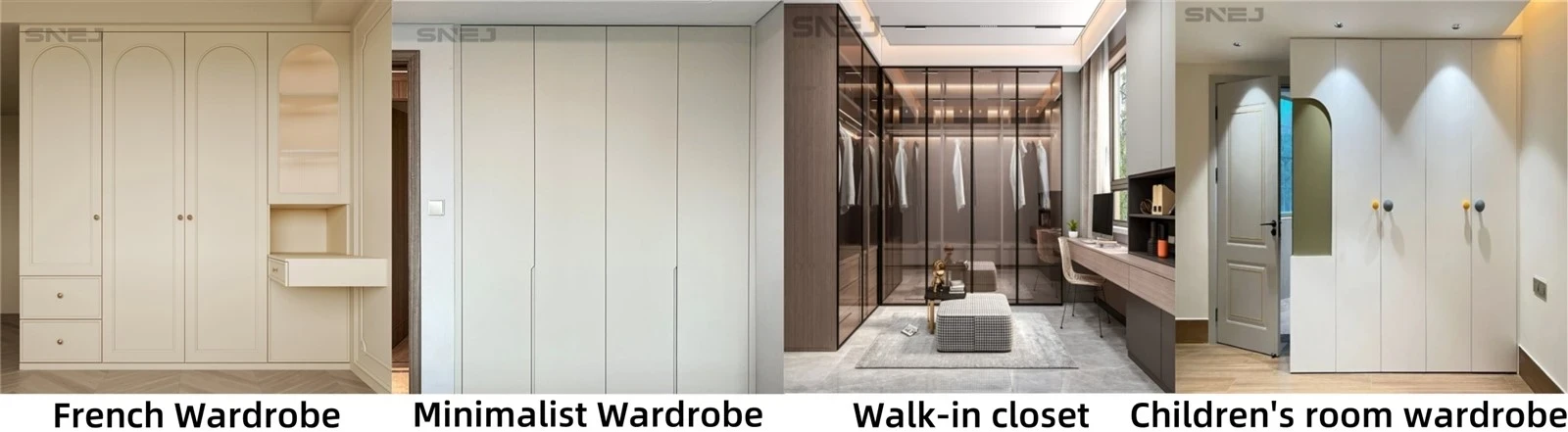
Make it fit your space.
Send your plan, quantities, destination and selected finishes with this design reference.